
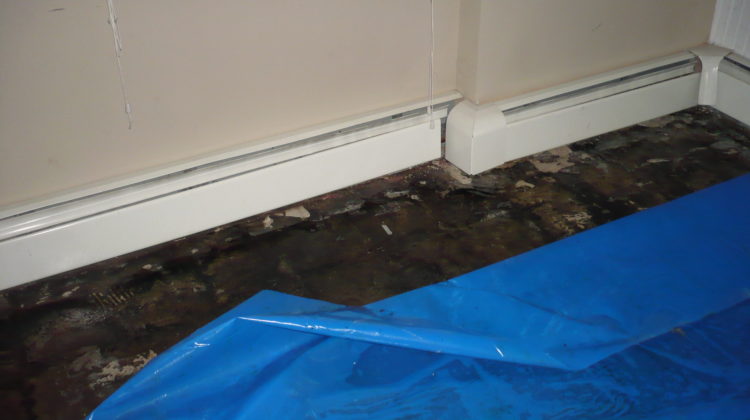
A mold inspection takes score of the spores in your home, so it’s important to prepare. Nobody wants to know that they have mold in their home. However, catching mold early means addressing the problem before it gets worse. If you suspect mold, a professional mold inspection is your first step in getting your home spore-free. The overall pricing of a mold inspection depends on where the mold is and the size of your home. Reach out to us today to schedule a professional mold inspection and we can give you a better idea on the cost.
When you reach out, we can provide you with more information and details regarding our mold inspection process. Overall, the mold inspection process is all about helping you breathe easier. We are located in Mastic Beach, New York and offer our services for homeowners throughout Long Island.
How Do You Prepare for a Mold Inspection?
When you need a mold inspection, it is all about ensuring potential spores are intact when the professionals arrive. Here is what to do, as well as some things as what not to do.
Shut Off Humidifiers, Dehumidifiers, and Air Purification Machines for 24 Hours
Air purifiers and dehumidifiers can remove airborne particles and moisture, which may interfere with the detection of mold spores during an inspection. Conversely, humidifiers increase moisture levels and can encourage mold growth, potentially affecting test results. To help ensure the most accurate assessment, please turn off all air purifiers, dehumidifiers, and humidifiers at least 24 hours before your scheduled mold inspection.
Close All Doors and Windows for 48 Hours
While it may seem counterintuitive, keeping your doors and windows closed before a mold inspection can help produce more accurate results. If mold is present in your home, limiting airflow allows airborne spores to remain concentrated indoors, making them easier to detect during testing. For best results, keep all exterior doors and windows closed prior to your scheduled appointment.
No Pruning, Trimming, or Lawn Mowing Outdoors
As part of the mold inspection process, an outdoor air sample is often collected to establish a baseline mold concentration for comparison with indoor readings. Activities such as mowing the lawn, trimming shrubs, pruning trees, or disturbing vegetation can release additional mold spores into the air and affect these measurements. To help ensure accurate test results, please avoid outdoor yard work prior to your scheduled inspection.
Avoid Cleaning and Using Disinfectant Chemicals for 48 Hours
To help ensure accurate inspection results, please avoid vacuuming, dusting, or performing any deep cleaning for at least 48 hours before your appointment. These activities can remove mold spores and surface growth that may be important to the assessment. Additionally, refrain from using disinfectants, bleach, vinegar, or other cleaning chemicals on areas of concern. If you notice a substance that you suspect may be mold, leave it undisturbed so it can be properly evaluated during the inspection.
Avoid Bathing or Showering For 12 Hours Before Your Appointment
Mold growth is often linked to an underlying moisture issue, such as a plumbing leak or water intrusion. Bathing, showering, and other activities that generate excess humidity can make it more difficult to identify the source of moisture during an inspection. To help ensure the most accurate assessment, please avoid bathing or showering for several hours before your scheduled appointment whenever possible.
Remove All Clutter and Obstacles
To conduct a thorough inspection, your mold inspector will need access to all areas of the property, including attics, crawl spaces, utility rooms, and other potentially affected areas. Please remove any obstacles, stored items, or clutter that may restrict access. In addition, clear out cabinets beneath sinks and any other locations where moisture or mold concerns may be present to allow for a complete evaluation.
Turn Off HVAC Systems For At Least Two Hours
HVAC systems circulate the air in your home, potentially diluting any mold spores in the air. Shutting them off for at least two hours before your appointment will help ensure the maximum concentration of spores for easier detection.
Pick a Day With No Rain in the Forecast
Rain is another factor that can distort our team’s outside baseline mold assessment. Mold grows fast in the wet conditions after rain, so this might mask a problem if there are higher concentrations of mold in your indoor air.
What Happens During Mold Testing?
Once our mold inspector arrives, we will discuss any specific concerns and problem areas. Then, we will perform our mold assessment. Here’s a quick rundown of standard procedure for mold testing.
1) Visual and Air Inspections
Your mold assessment starts with a walk-through, where our mold inspector will note any visual signs of mold growth. We will also keep an eye out for leaks and moisture problems that could be contributing to your spore count.
How carefully we need to inspect your home will determine how long this process takes. Normally, a mold inspection takes between two and six hours. Generally, when we perform a mold inspection, these are the areas we inspect:
- Walls (bathroom, kitchen, and exposed foundation)
- Wall cavities between the drywall and foundation
- Windows and window sills
- Fireplaces and chimneys
- Enclosed attic spaces and crawl spaces
- Air ducts and vents
2) Outdoor Baseline Assessment
The outdoor area surrounding your home has its own natural concentration of mold, which forms a baseline of what the level should be indoors. Our team will take an outside sample to compare to your indoor sample. If your indoor sample has a higher concentration, or a different type of mold present, we will know there’s an issue.
3) Lab Test
Once we have our samples, they go under laboratory assessment. This determines whether the substances are mold and, if so, what type of mold they are.
4) Guidance and/or Referrals to Outside Professionals
If our mold testing discovers any spores, our team will guide you on how to prepare for mold removal. Whether that’s giving you instructions on addressing the issue yourself or referring you to a local mold remediation service, you’ll get a good idea of what to do next.
Frequently Asked Questions
Here are some frequently asked questions that can help you with the decision about needing a mold inspection.
Are mold inspections worth it?
Mold inspections are worthwhile because they can identify potential mold problems early, before they become more serious and costly to address. Taking action as soon as possible is important, as mold can pose health concerns and potentially damage your home and personal belongings. Professional mold testing and inspections are the most reliable way to determine whether a mold problem is present in your home.
How long does it take to get mold testing back?
It honestly depends on the size of the job, but we do our best to get those results back to you between 24 and 48 hours since we know this is an urgent matter.
What’s the difference between black mold and regular mold?
The main difference between black mold and other types of mold is the species and the potential health risks associated with certain molds. Often referred to as “black mold,” Stachybotrys chartarum can appear black, dark green, gray, or brown and is typically associated with areas that have experienced significant water damage.
Exposure to mold can cause a variety of health symptoms, particularly respiratory irritation, headaches, and skin irritation. While common household mold can also trigger respiratory symptoms and allergic reactions, certain molds may produce compounds that can contribute to more serious health concerns. Black mold is less common than many other household molds and is more likely to develop in persistently damp or heavily water-damaged areas.